
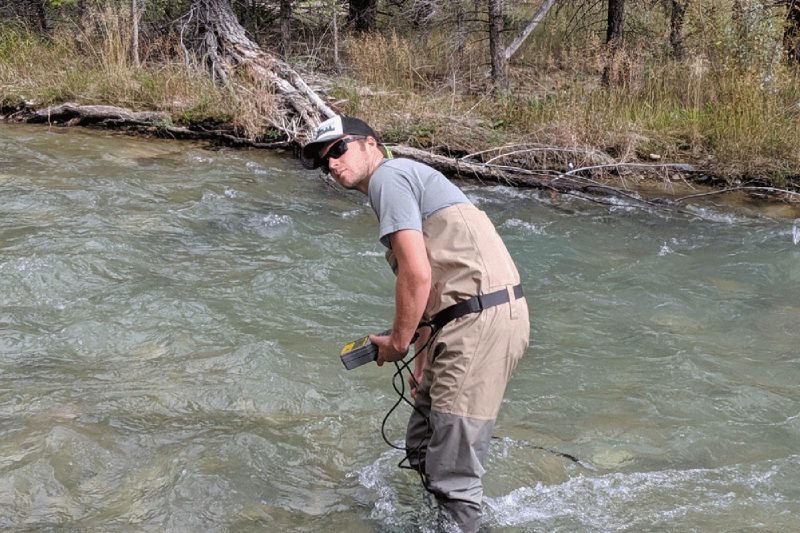
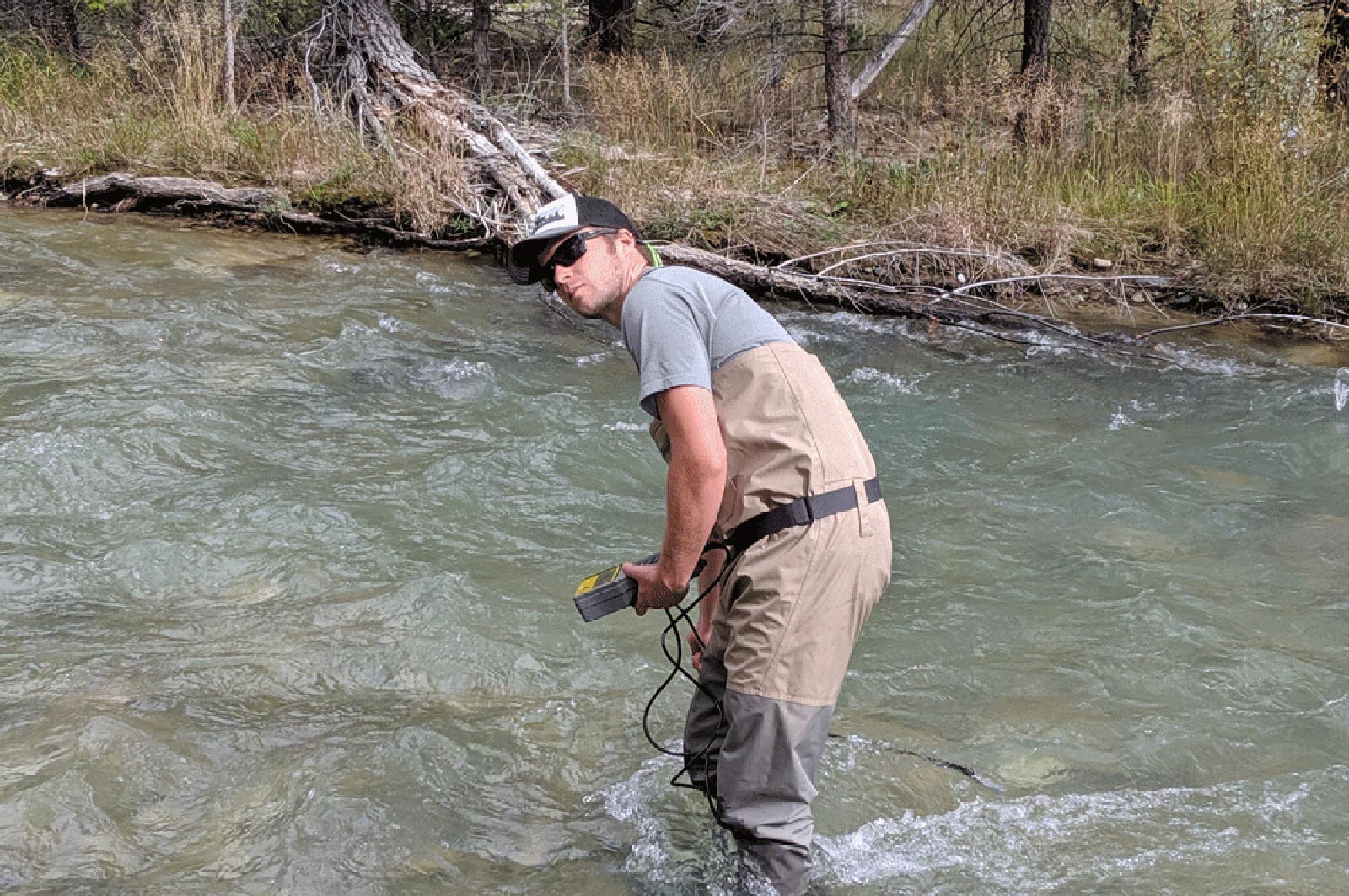
Living Lakes Canada partnered with the Columbia Wetlands Stewardship Partners to conduct site investigations on select wetlands in the Upper Columbia River and adjacent Columbia Wetlands to identify vulnerable areas in need of restoration work. Activities included analyzing shallow groundwater levels, collecting morphologic and meteorological data, surveying beaver abundance, and wetlands water level and temperature monitoring at over 40 sites. This project supports six jobs. (Photo: Living Lakes Canada)
View map of BC's Natural Resource District.
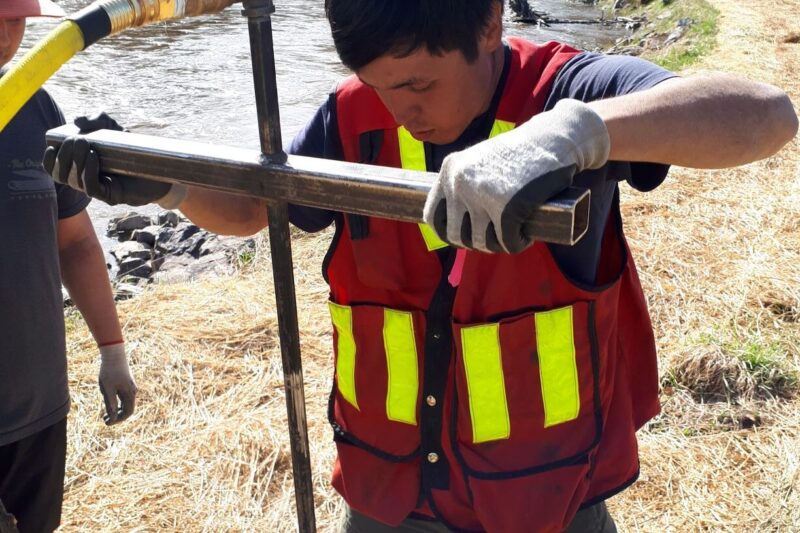
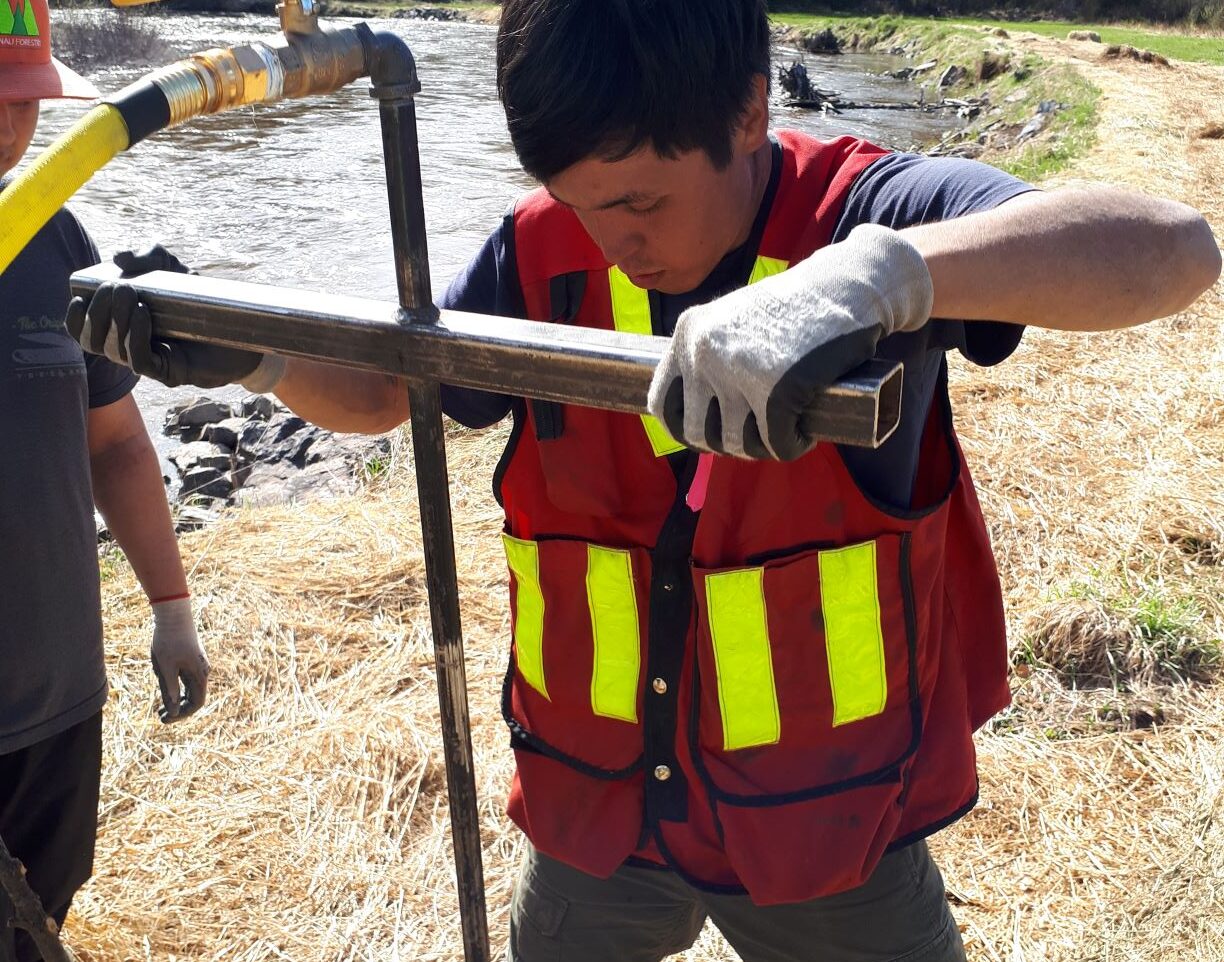
Northwest Research and Monitoring Ltd. is partnering with the Morice Watershed Monitoring Trust and the Office of the Wet'suwet'en to complete the first phase of a multi-year riparian restoration project in the Upper Bulkley and Upper Morice basins. This phase of the project supports 28 jobs, and focuses on project planning, technical training, and streamside planting. (Photo: Northwest Research & Monitoring)
View map of BC's Natural Resource District.
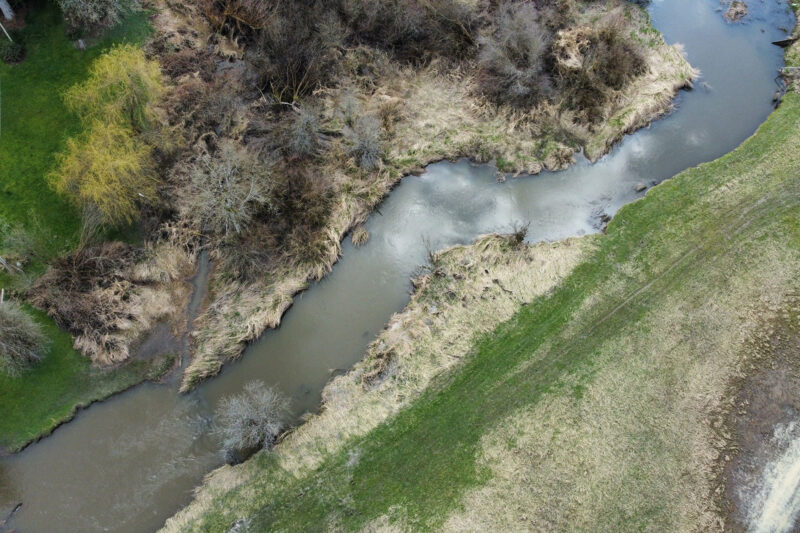
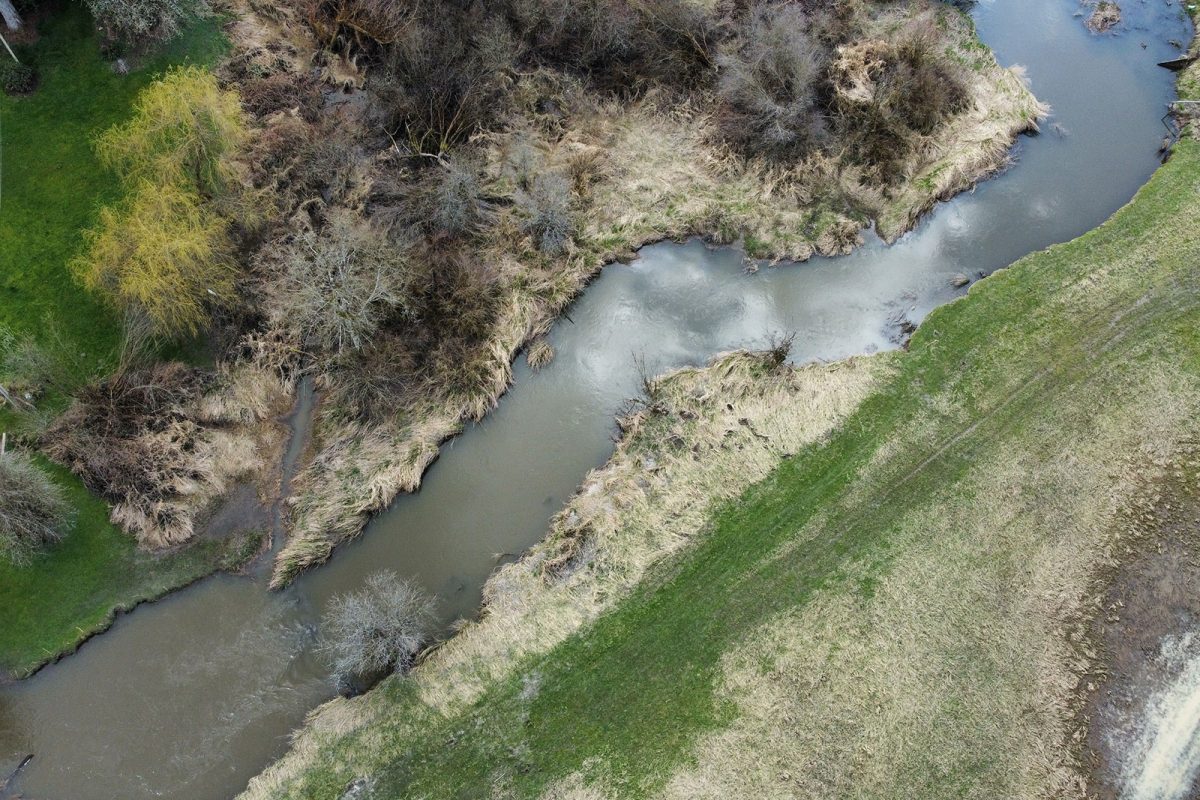
Rivershed Society of BC is piloting the development of a foodland corridor that restores sustainable food systems throughout the Fraser watershed. This project is being implemented in partnership with local First Nations, farmers, and ranchers. (Photo: Nerv Productions)
View map of BC's Natural Resource District.
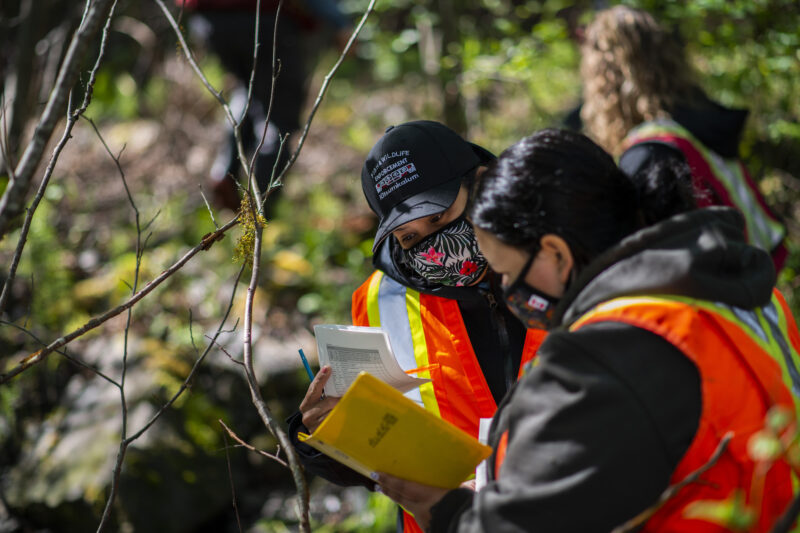
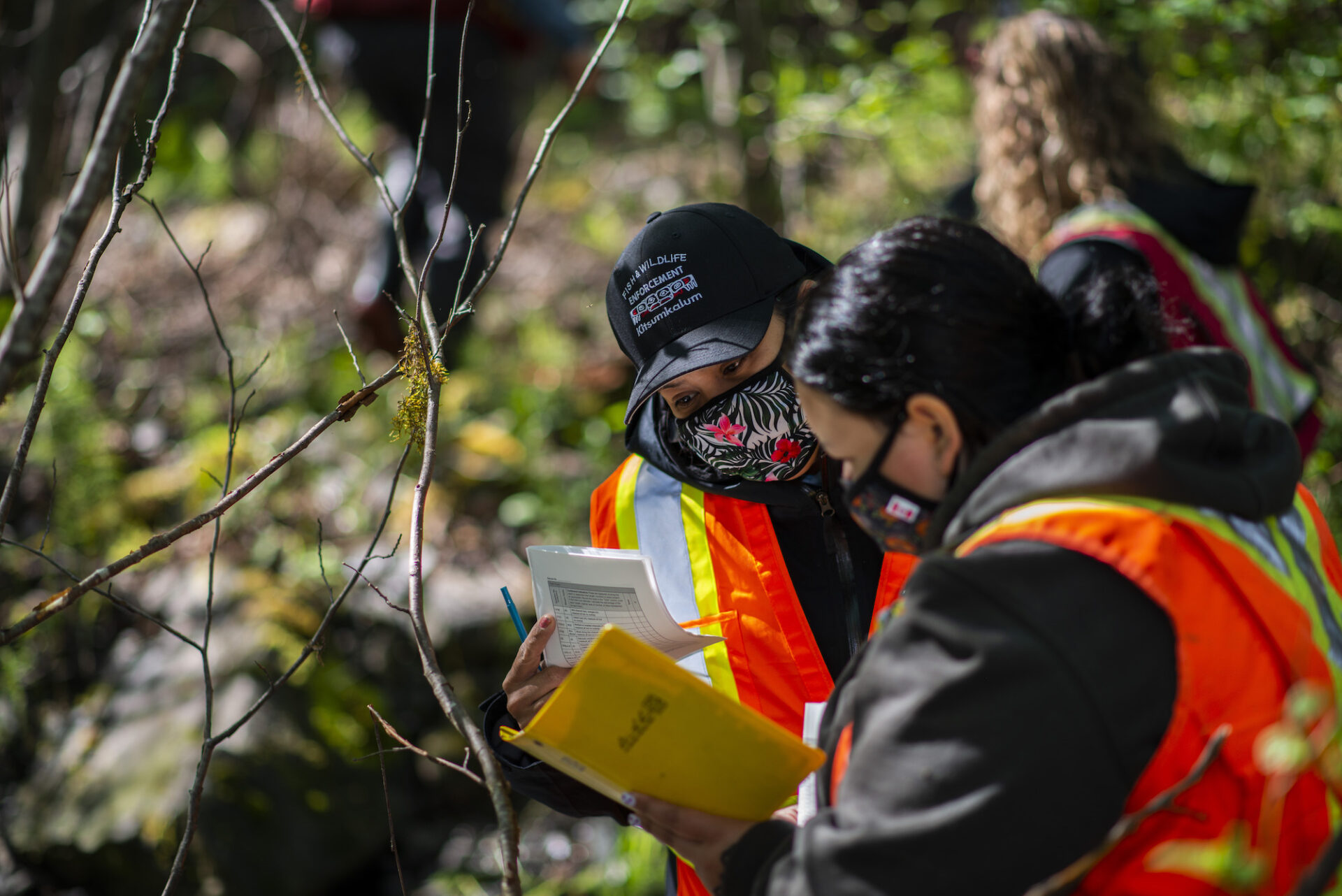
SkeenaWild Conservation Trust is restoring spawning and rearing habitat for salmon and other fish species. By breaching beaver dams that are inhibiting fish passage and water flow, this work will restore ecological integrity and hydrological function to the stream. This project supports nine jobs. (Photo: SkeenaWild Conservation Trust)
View map of BC's Natural Resource District.